Meet our team, from farm to export.
Discover the people and processes behind Kelport's premium Kenyan tea.
Our operations
Every batch passes through five managed stages: farming, collection, logistics, processing and packaging, before it leaves Kenya.
Our growing region
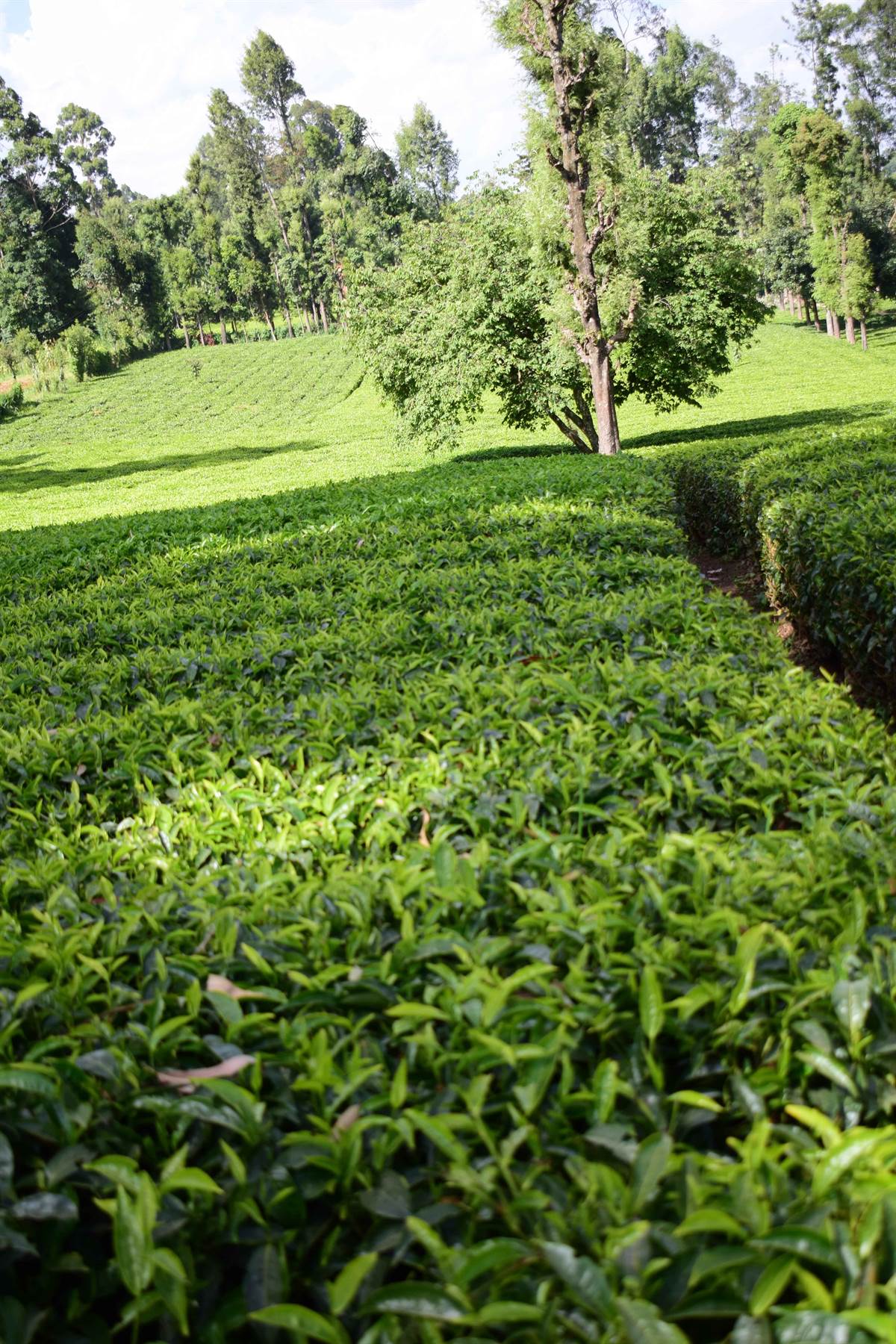
Meru, on the slopes of Mount Kenya.
All of our tea is grown on our farms in the Meru region, high on the slopes of Mount Kenya: in our view, the finest tea-growing region in Kenya and the whole of Africa. The mountain's altitude, volcanic soil and clear equatorial light give Meru tea its bright, brisk character and let us supply top grades in every season.
High on Mount Kenya
Our tea grows high on the mountain's slopes, where cool nights slow growth and concentrate flavour in the leaf.
Rich volcanic earth
Deep, well-drained red soils formed from Mount Kenya's volcanic rock feed the bushes with natural minerals.
Rain and mountain streams
Reliable rainfall and streams running off the mountain keep the tea gardens green and productive.
Equatorial sunshine
Sitting on the equator, Meru gets strong, even daylight all year, so the bushes never go dormant.
Best grades, all season
Year-round growth and careful plucking mean we can supply top grades in every season, not just at one flush.
Grown by us
Because we farm in Meru ourselves, every lot is traceable to our own gardens and handled by our own people.
Harvest calendar
Tea is plucked all year, and every season has its own character.
On the equator, Meru's tea bushes never go dormant. Rainfall and temperature shift through the year, changing how much leaf is harvested and its character, while our grades stay top quality in every season.
Cool, dry season
Growth slows and the leaf concentrates its flavour. Often some of the brightest, most aromatic teas of the year.
Long rains
Warm, wet weather drives rapid growth and the year's highest volumes, ideal for securing larger contracts.
Cool, cloudy months
Steady plucking rounds. Cooler spells in July and August can produce well-balanced, flavoury teas.
Short rains
A second growth peak with strong production, giving buyers plenty of choice before the new year.
How our tea is made
From the tea bush to a sealed export pack.
Black CTC, orthodox, purple and white teas share the same first steps. What happens after withering is what gives each its character.
Plucking
Only the tender top shoots, two leaves and a bud, are hand-plucked every one to two weeks.
Collection
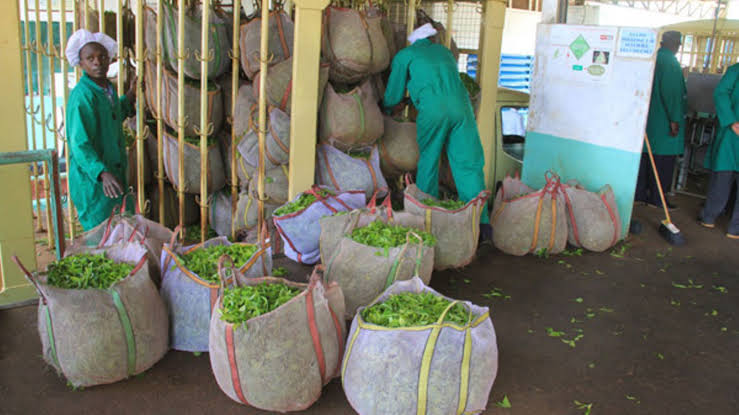
Fresh leaf is weighed and checked at collection centres, then taken to the factory the same day.
Withering
Leaf is spread in troughs and air-dried for several hours until soft and pliable.
CTC or rolling
CTC machines crush, tear and curl leaf into granules; orthodox leaf is rolled to keep it whole. White tea skips this step.
Oxidation
Exposure to air turns leaf a coppery colour and develops the strength and flavour of black tea.
Drying
Hot air stops oxidation and brings moisture down so the tea keeps its quality in transit.
Sorting & grading
Dried tea is sieved and sorted by particle size into grades such as BP1, PF1, PD and D1.
Tasting & packing
Every lot is tasted and checked, then packed in food-grade material ready for export.
In the field
Good tea starts with how the garden is cared for.
The practices on our farms in Meru keep the bushes healthy, the soil productive and the quality consistent from one season to the next.
Hand plucking
Pluckers select only the youngest shoots, two leaves and a bud, which is the foundation of a bright, clean cup.
Shade & windbreaks
Trees planted between tea fields protect bushes from wind and harsh sun and help hold moisture in the soil.
Soil conservation
Contour planting, terracing and mulching with prunings keep Kenya's rich volcanic soils on the hillsides and in good health.
Pruning cycles
Bushes are pruned every few years to keep them vigorous and at a comfortable plucking height.
Our team
The people who move your tea from farm to port.
A hands-on team in Nairobi looks after every order personally, working alongside the growers, factories and transporters in our supply chain.
Sourcing & tasting
Selects lots from our Meru farms and tastes every sample against your specification.
Quality control
Checks leaf, grade, moisture and packing at each stage before a shipment is released.
Packing & warehousing
Packs tea into bulk sacks, pouches or private-label packs and prepares pallets for loading.
Logistics & documents
Books freight and prepares the export paperwork needed at the Port of Mombasa and on arrival.
Buyer support
Your single point of contact for samples, quotes, updates and after-delivery questions.
Our people & operations
Behind every shipment.
Our tea farms
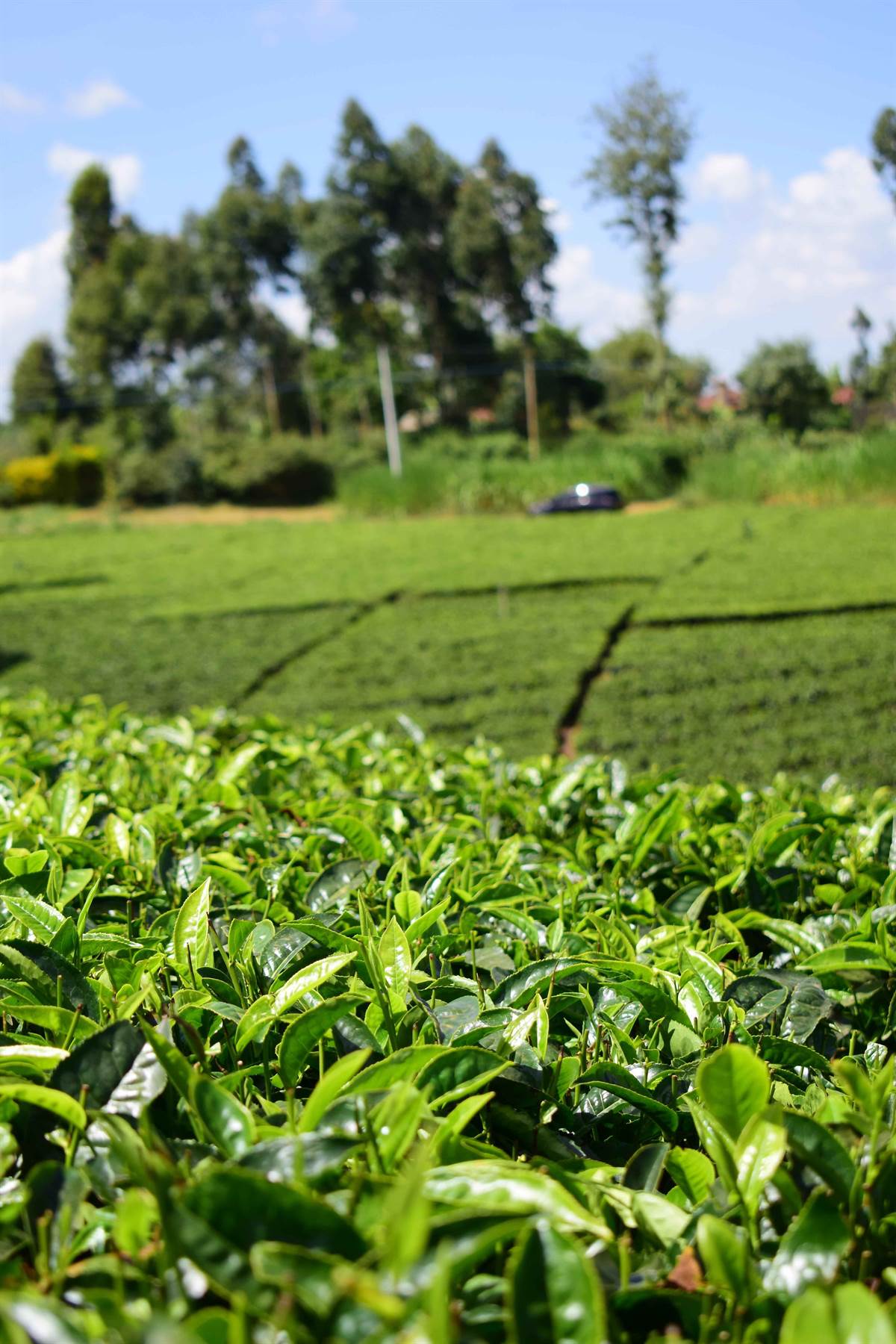
Tea plantations on the slopes of Mount Kenya in Meru.
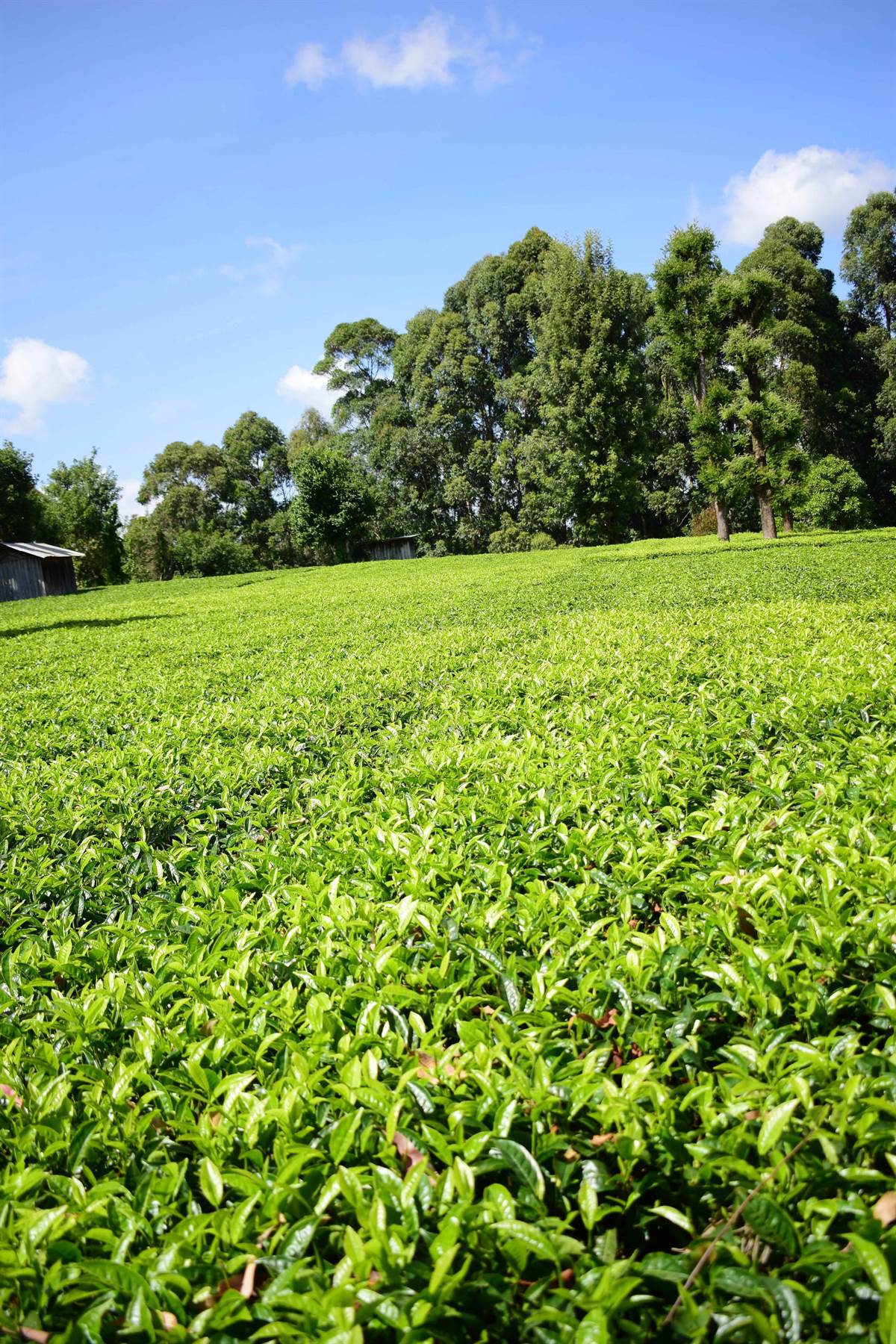
Farm operations
Day-to-day work across our tea farms.
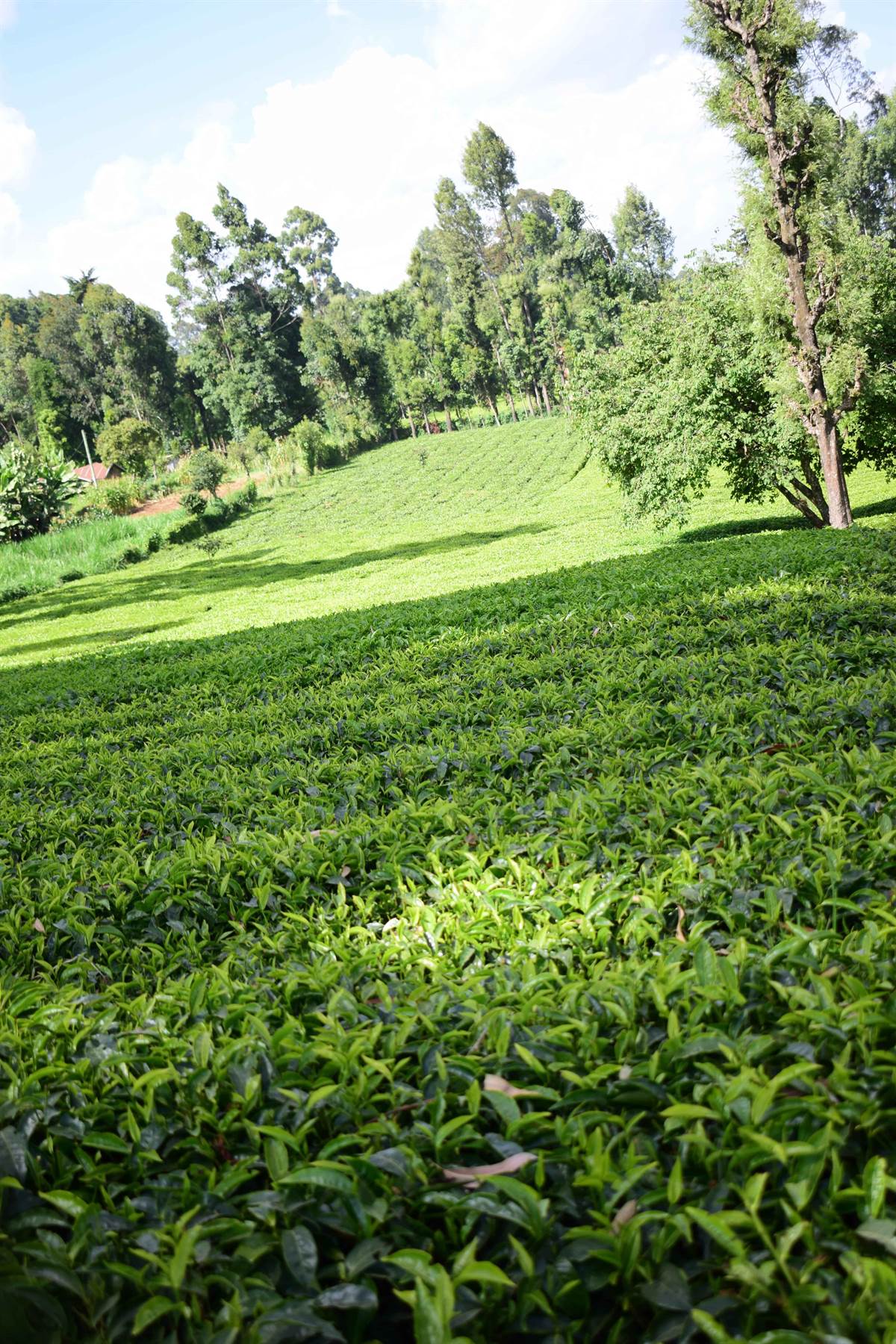
Tea plantation
Rows of tea grown in rich volcanic soil.
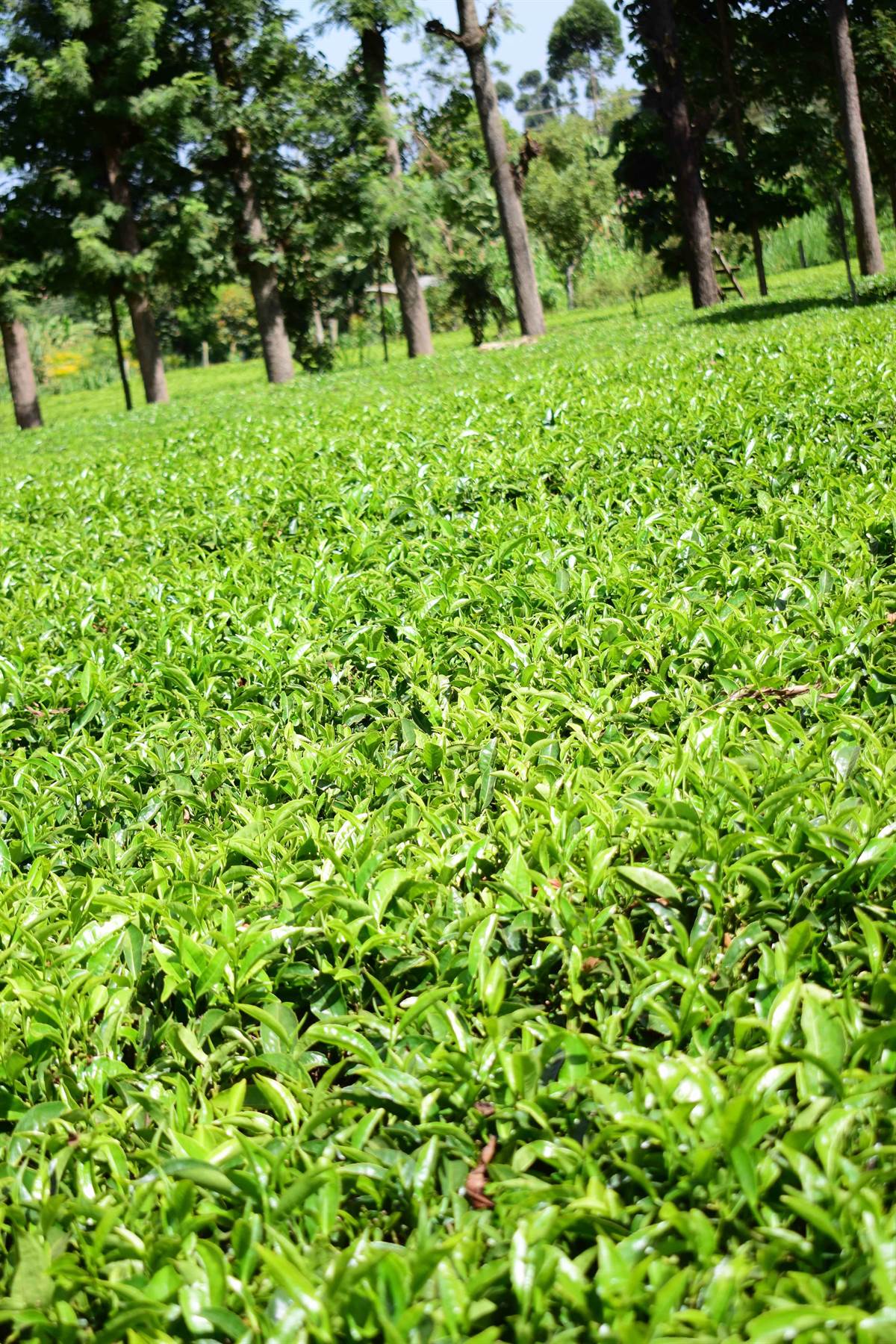
Highland tea
High-altitude growing conditions that shape our flavour.
Well-kept fields
Carefully maintained tea bushes ready for plucking.
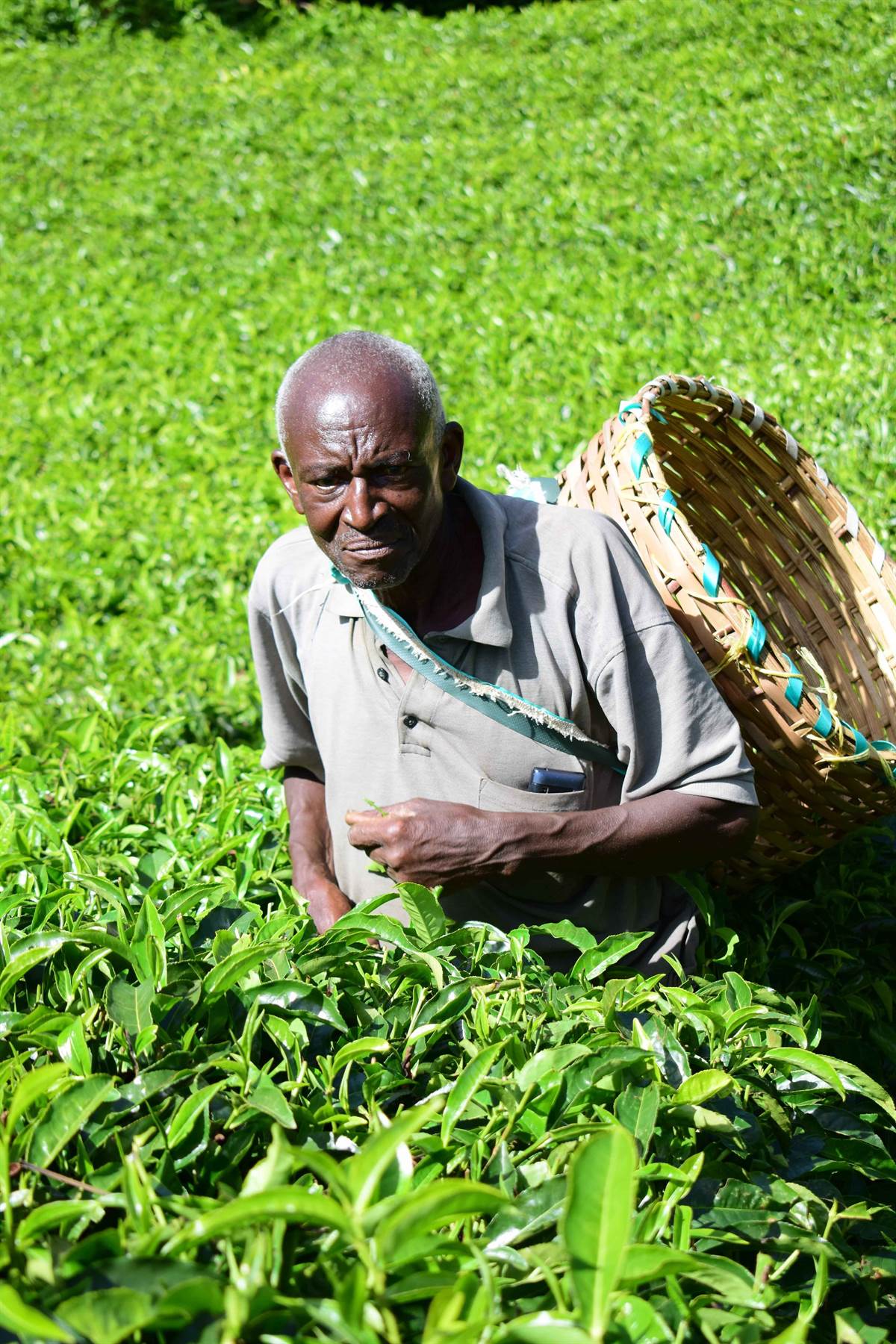
Our farmers
Experienced growers tending premium tea plants.
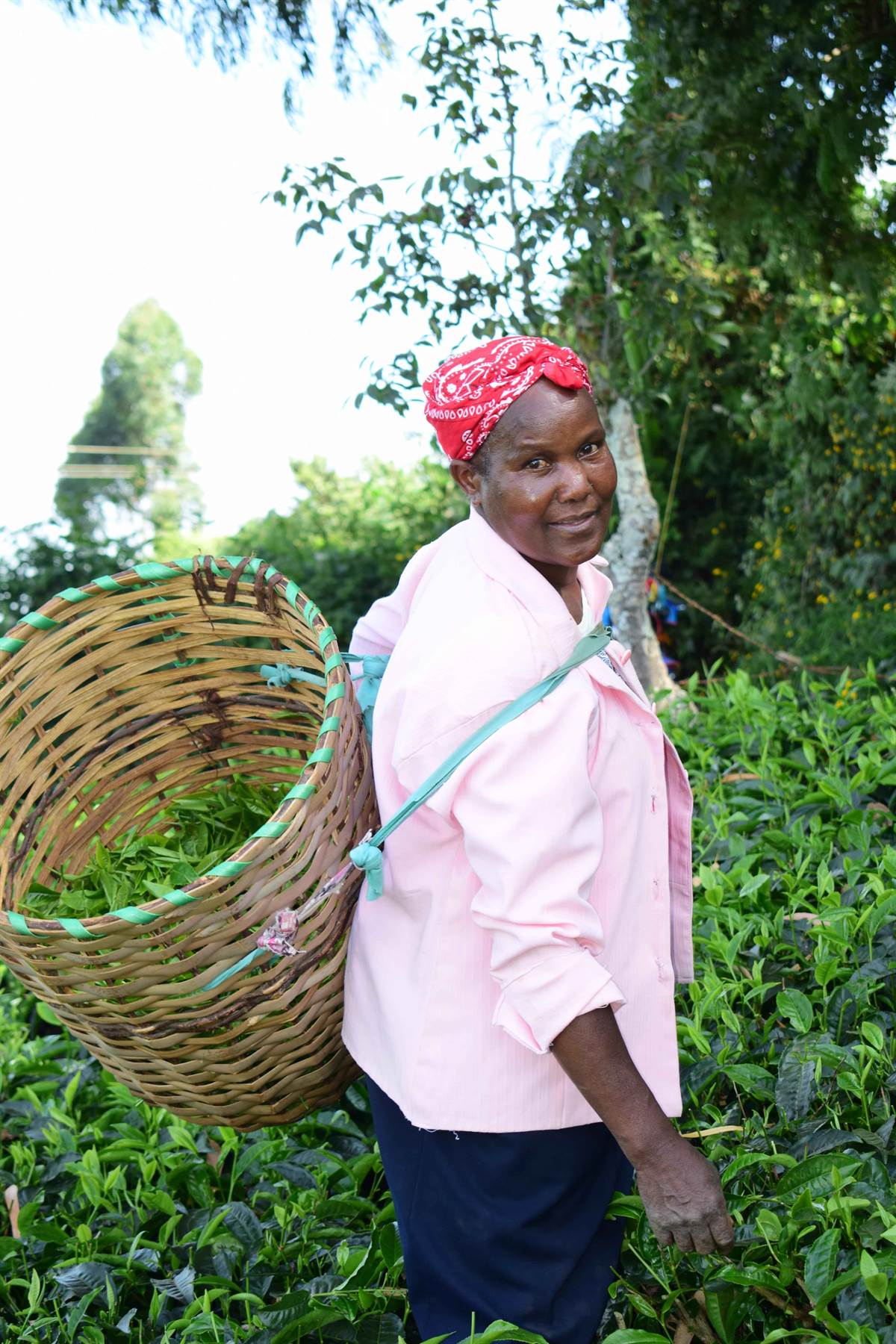
Hand plucking
Fresh leaf picked by hand for the best quality.
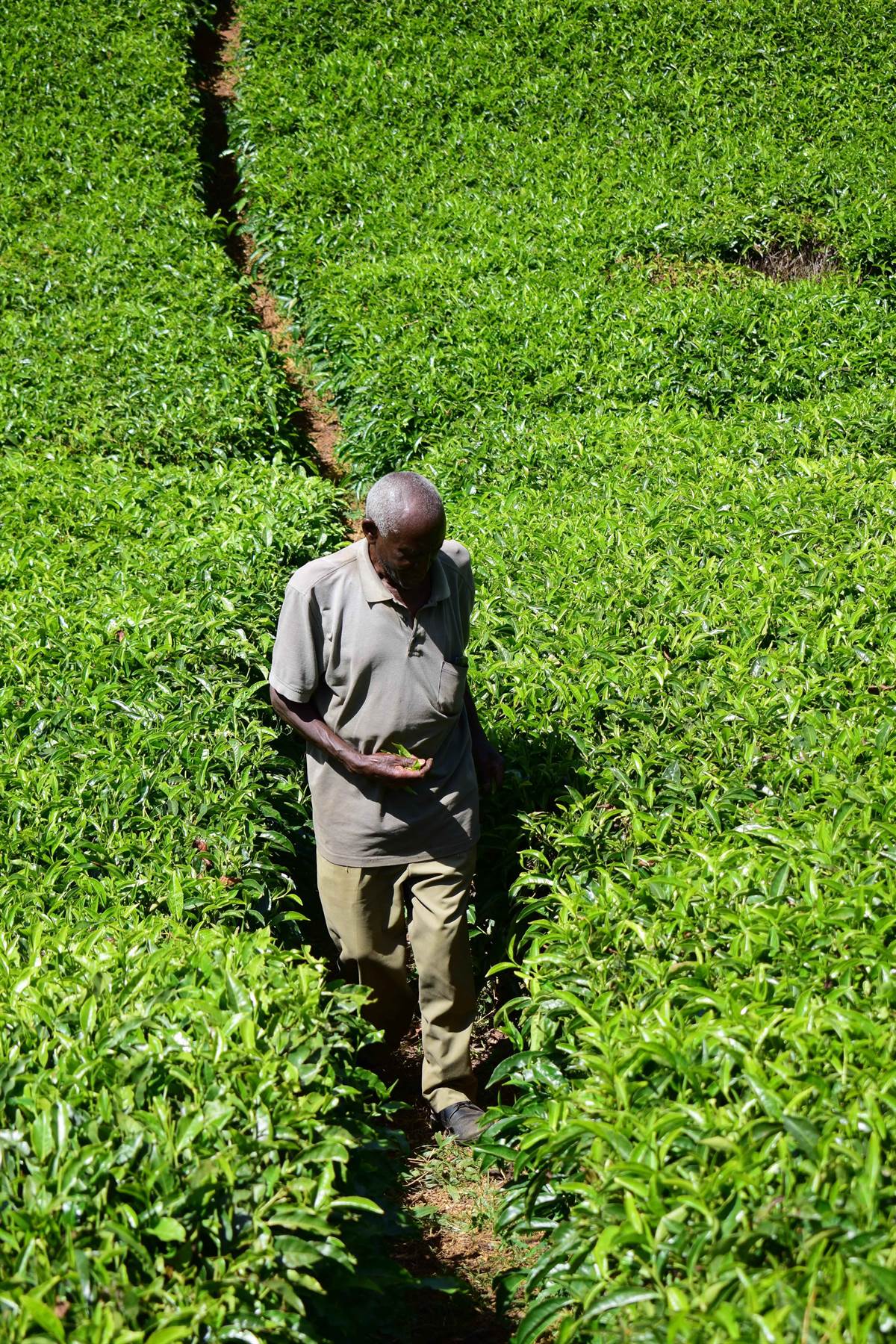
Skilled growers
Farmers who know every row of their tea.
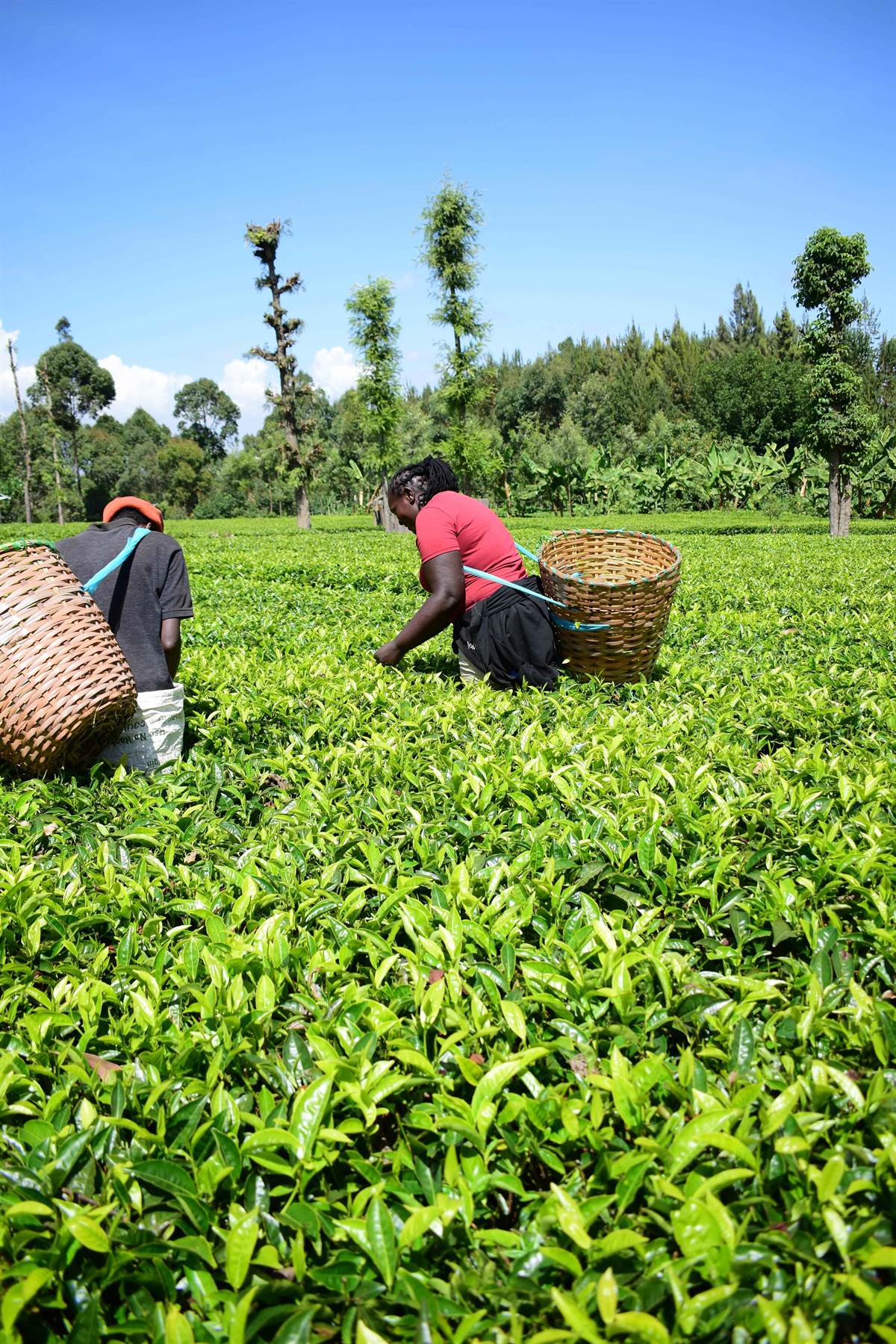
Working together
Farmers and our team working side by side.
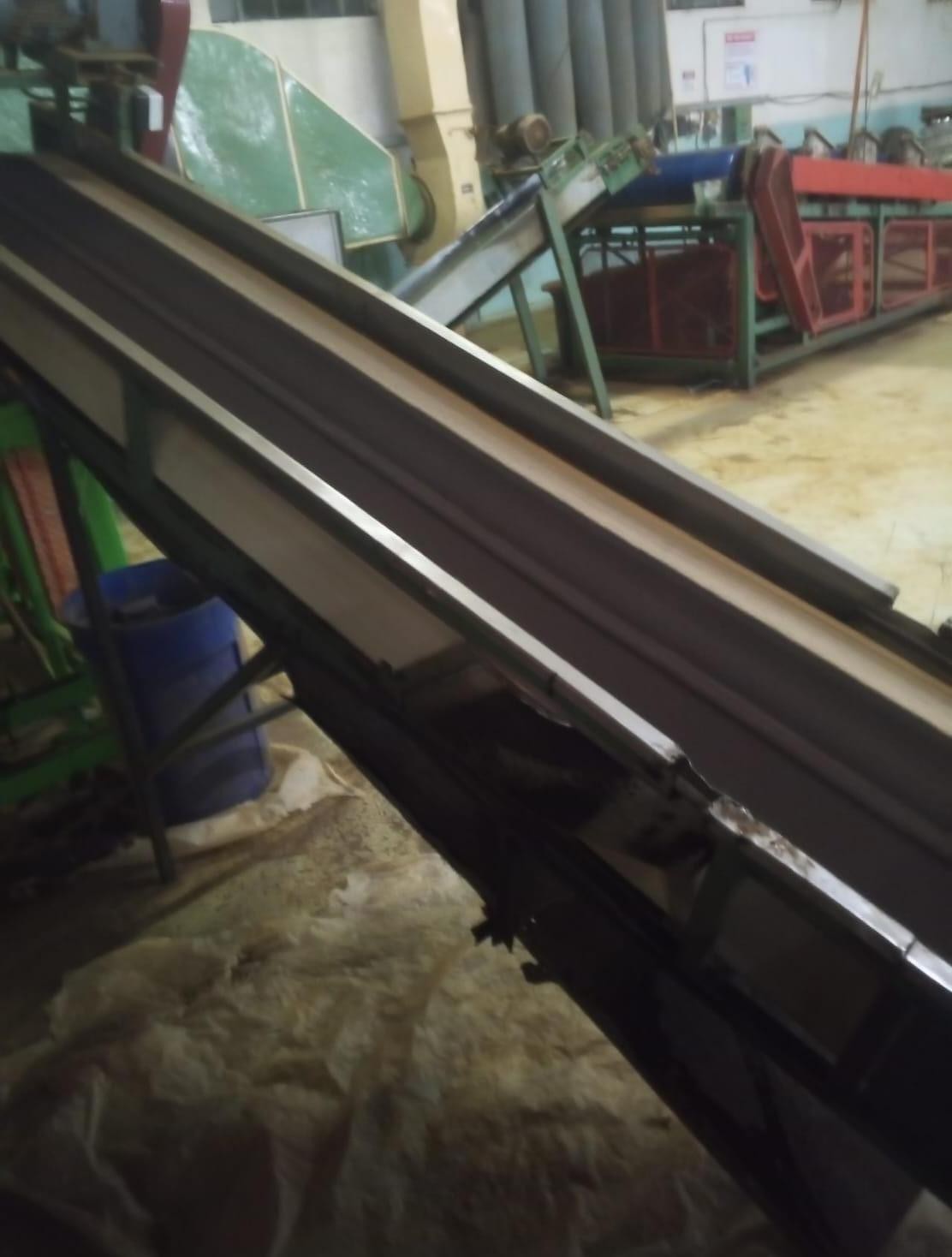
Factory processing
Processing and blending of finished tea products.
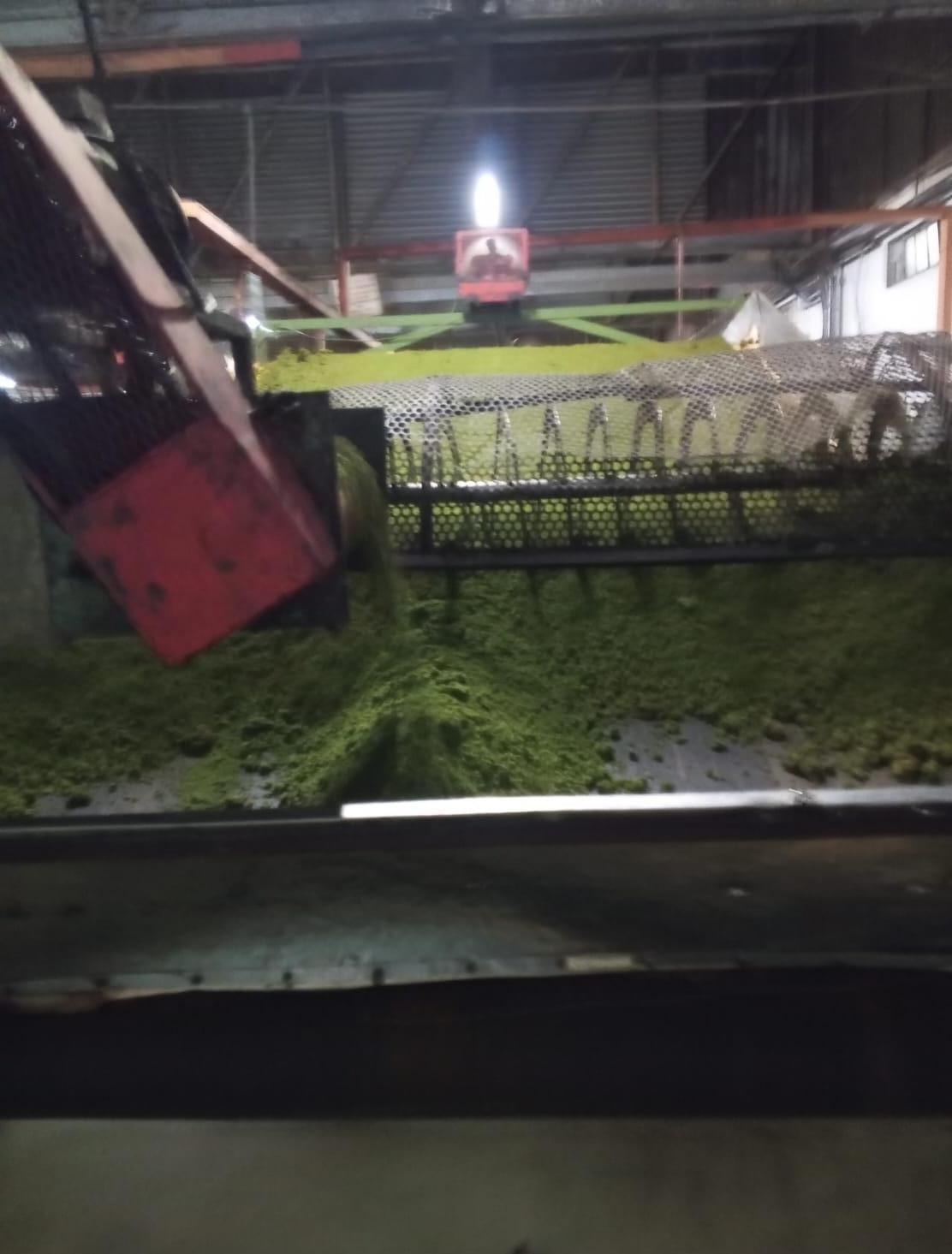
Machinery & process
Operational processes and machinery at our factories.
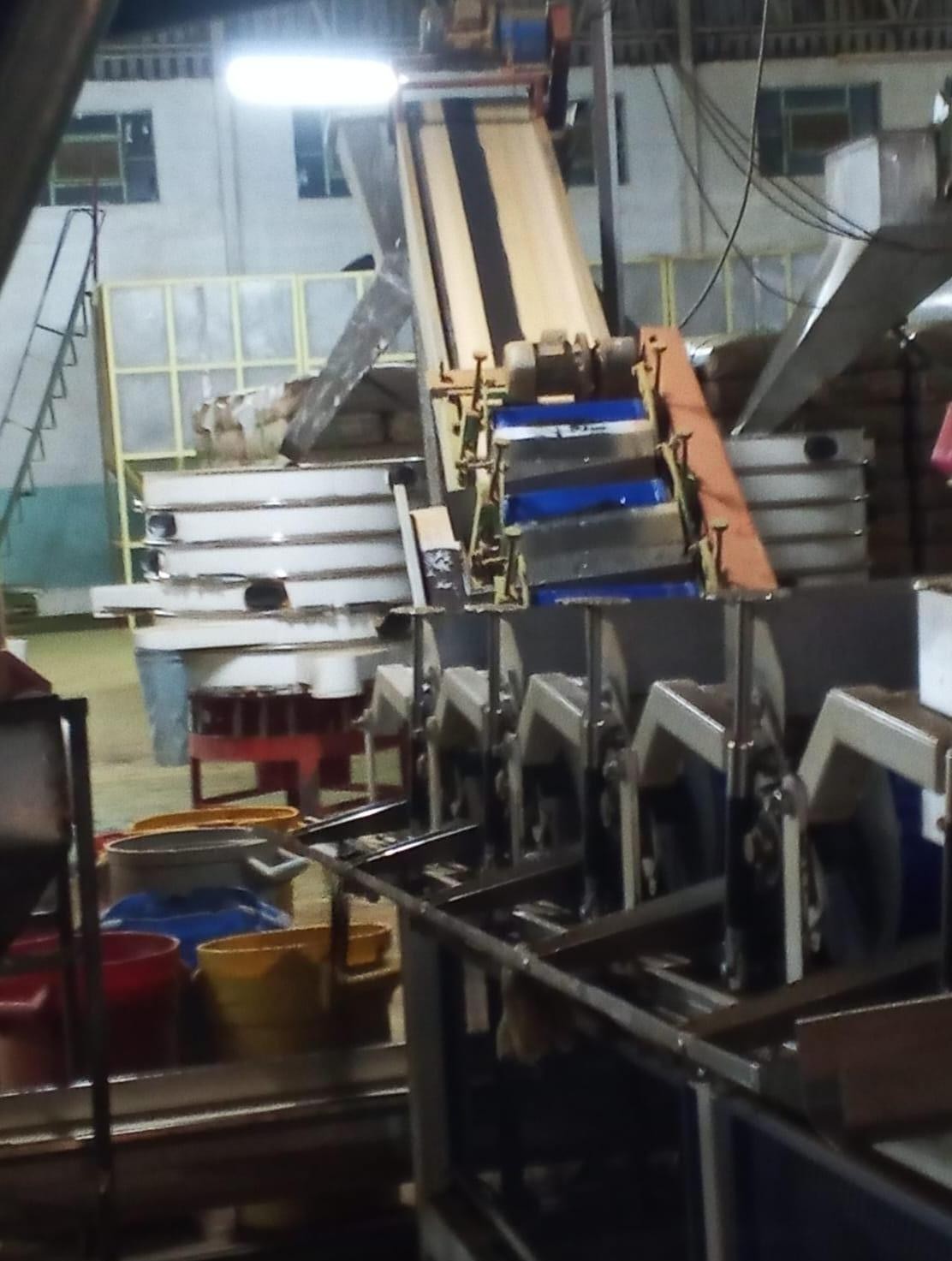
Packed for export
Packaging, labelling and preparation of products for export.
Work with us
Ready to source premium Kenyan tea?
Tell us the variety, volume and destination. We'll come back with a tailored quote and export plan.